
To build an emergency fund while investing in real assets that appreciate in value and generate cash flow, here are some effective saving strategies:
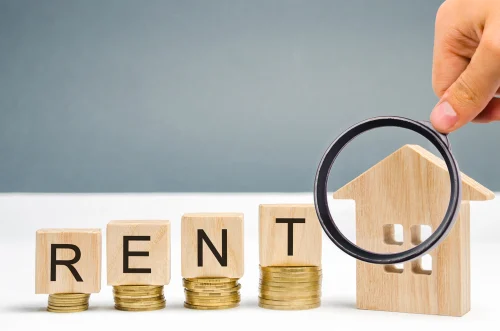
How it works: Purchase real estate properties, such as residential or commercial buildings, and rent them out. Over time, property values generally appreciate, while rental income generates monthly cash flow.
Why it's effective: Rental income can help grow your emergency fund, and the property value increases can add to your net worth. Mortgage payments also gradually increase equity in the property.
How it works: Buy shares of companies that pay dividends (a portion of profits to shareholders). While stock prices tend to appreciate over time, the dividends provide regular cash inflows.
Why it's effective: You get both appreciation in stock value and cash flow from dividends, which you can reinvest to grow your emergency fund faster.

How it works: REITs are companies that own, operate, or finance income-producing real estate. They offer regular dividend payouts from rental income, while the value of the trust itself can grow.
Why it's effective: REITs give exposure to real estate without the direct management burden. They provide cash flow from dividends and potential appreciation in the value of the underlying real estate portfolio.

How it works: Platforms like LendingClub or Prosper allow you to lend money directly to individuals or businesses in exchange for interest payments. Your principal can appreciate through repayments, while interest payments provide regular cash flow.
Why it's effective: You earn higher interest than a traditional savings account, and the repayments can be used to build your emergency fund.

How it works: Collectibles such as art, wine, rare coins, or vintage cars can increase in value over time. If managed properly, they can appreciate and be sold for profit, and some, like fine wine or cars, may also generate passive income through leasing.
Why it's effective: These assets can provide significant appreciation over time, though they are often illiquid, meaning it might take time to sell.

How it works: Buying farmland allows you to benefit from both land appreciation and lease income from farmers or agricultural businesses.
Why it's effective: Farmland typically appreciates over time, and leasing it out generates steady cash flow. Additionally, it's a hedge against inflation.

How it works: Purchase gold, silver, or other precious metals that typically appreciate in value, especially during inflationary periods or economic downturns.
Why it's effective: Precious metals act as a store of value and hedge against inflation. While they don't generate regular cash flow, you can sell portions of your holdings as their value increases.

How it works: Launch a small business that provides a steady income stream while increasing in value over time. Examples include an e-commerce store, online courses, or consulting.
Why it's effective: A well-run business provides cash flow, and as it grows, its value appreciates. You can sell the business later or use its profits to fund other investments.

To balance asset appreciation and cash flow, focus on real estate, dividend stocks, REITs, and side businesses. These strategies not only provide regular income but also offer potential growth in asset value, helping you build a robust emergency fund while growing your wealth.
A general rule of thumb is to have 3-6 months of living expenses in your emergency fund. Once you've reached this goal, you can start allocating more towards real asset investments. However, the exact ratio depends on your personal financial situation and risk tolerance.
The main risk is liquidity. Real assets like property or collectibles can be harder to sell quickly if you need cash urgently. It's important to maintain a balance between liquid assets (cash, easily sellable stocks) and illiquid real assets.
You can start small with REITs, fractional shares of dividend-paying stocks, or peer-to-peer lending platforms. These options allow you to invest in real assets with lower initial capital while still building your emergency fund.
Generally, it's advisable to pay off high-interest debt before investing in real assets. However, you can still build your emergency fund simultaneously. Once high-interest debt is cleared, you can focus more on real asset investments.